
Neighborhood by Neighborhood: Where KC's Next Businesses Are Growing

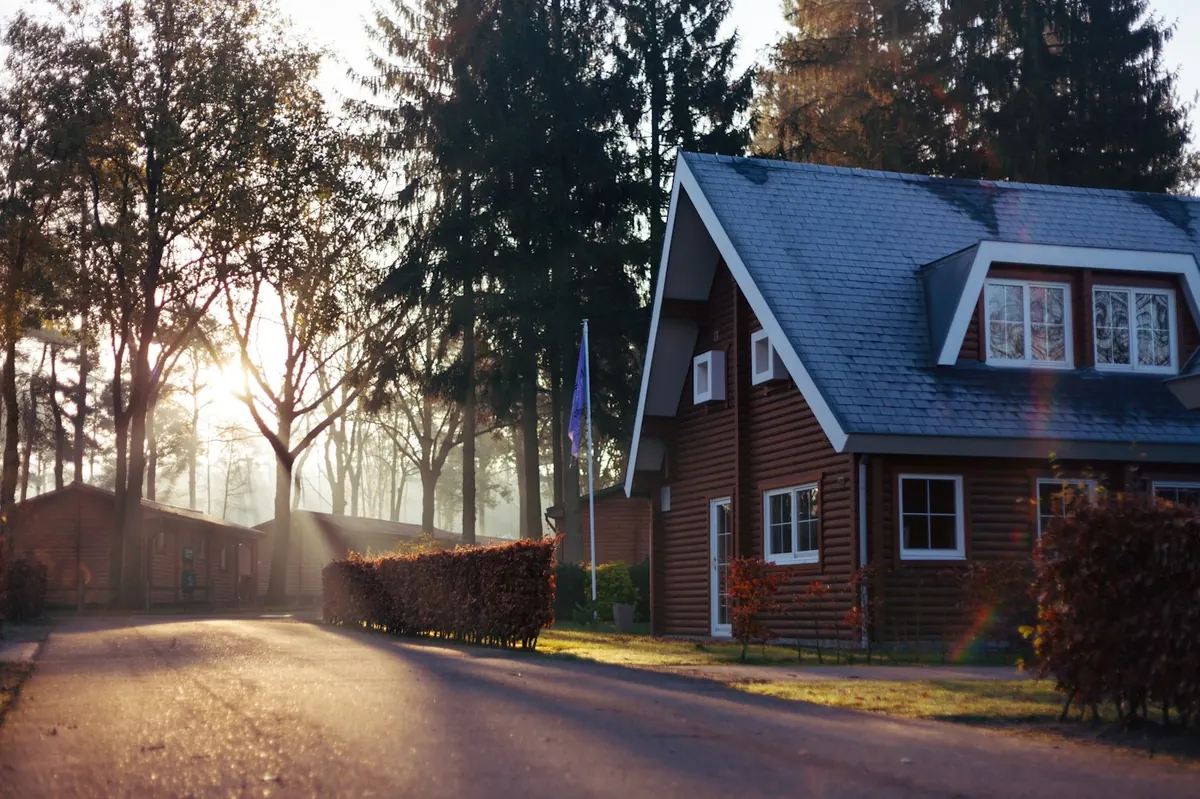
You can read a city's economic future in its storefronts. Kansas City's are telling a clear story: the next generation of businesses isn't clustered in one downtown tower — it's spread across dozens of neighborhoods, each with its own character, and each quietly compounding.
I make my living driving through these districts, and I thought I'd take you on the same tour I give visiting lenders: where Kansas City's next businesses are actually growing.
Downtown & the Crossroads: the creative engine
The Crossroads has done what many urban arts districts promise and few deliver — stayed artistically real while becoming economically serious. Galleries sit next to architectural firms, ad agencies, and the occasional SaaS company that could be anywhere and chose here. Downtown's residential growth adds the missing ingredient: customers who live upstairs from the restaurants. When I see loft occupancy stay high, I expect the retail below to follow.
Westport & the Plaza: the proven magnets
Westport has been KC's nightlife anchor for decades, but the story now is diversification: boutique fitness, specialty retail, professional services mixing into the bar blocks. The Country Club Plaza remains the city's front door for visitors — and the plaza-adjacent commercial corridors (think 47th and Wyandotte) keep absorbing service businesses that feed both residents and tourism. Newer operators follow a pattern: experience-first retail with strong local search visibility.
Waldo, Brookside & the Midtown south: neighborhood retail's comeback
This is the strip I watch most closely, because it's where middle-class KC decides whether neighborhood retail still matters — and it clearly does. Along 39th Street in Waldo and the Brookside blocks, you'll find the metro's best small business biology: a hardware store, a yoga studio, three restaurants that survived the pandemic, a new brewery, and a dentist who's been there thirty years.
A healthy neighborhood street isn't the one with the fanciest shops. It's the one where a new business can open next to a business that's been there forty years.
Rents here are manageable, foot traffic is real, and the neighbors are loyal — the three-legged stool of KC's small business boom. When food entrepreneurs outgrow a food truck, this is usually where they land.
The Northland & the Kansas suburbs: quiet, steady growth
People underestimate the suburbs. Liberty, Gladstone, Parkville, and the Overland Park corridor are where KC's franchise owners, contractors, medical practices, and family businesses quietly build seven-figure operations. The economics are different out here: bigger footprints, family customer bases, and shopping patterns built around schools and commutes. It isn't glamorous — it's dependable, and dependable is where most of the metro's actual wealth gets made.
The East Side and northeast KC: the next chapter
Northeast Kansas City and the East Side combine deep neighborhood identity with the metro's most urgent opportunity: commercial corridors with strong bones and room to grow. Grocers, barbershops, taquerias, and small manufacturers already anchor these streets; what's new is the wave of young entrepreneurs from these very neighborhoods opening second-generation businesses. As a banker, this is where I'd point investors looking for both return and impact — the numbers work, and the community is ready.
What makes a district work
Having financed businesses in nearly all of these, the pattern is consistent. Thriving KC districts share five things:
- Anchor tenants that generate daily trips — a grocer, a school, a clinic.
- Affordable, flexible space — storefronts a first-time owner can actually lease.
- Residents within walking distance — rooftops above the storefronts change everything.
- Neighborhood institutions that convene people — associations, chambers, farmers markets.
- Community banks that lend into the corridor — the quiet variable nobody photographs.
If you're a business owner choosing a location, invert the list: ask whether the district you're eyeing has all five before you sign. And if you're a resident, the most honest economic development tool you have is your wallet — spend on the strip you want to win.
The long view
Kansas City's geography spreads opportunity out rather than concentrating it, and that's exactly why the metro keeps producing businesses that last. There's no single "it" district anymore — which means there's no single point of failure either.
Wherever in KC you are: your block is probably next. Tell me what's opening there — I keep a running list, and I'd love to add your neighborhood to the next edition of this tour.
Charlie Koch
President of Bank Midwest
Kansas City banker writing about community banking, small business growth, and the neighborhoods building this metro's economy — in plain language, always.