
The Kansas City Food Scene Is a Business Story, Too

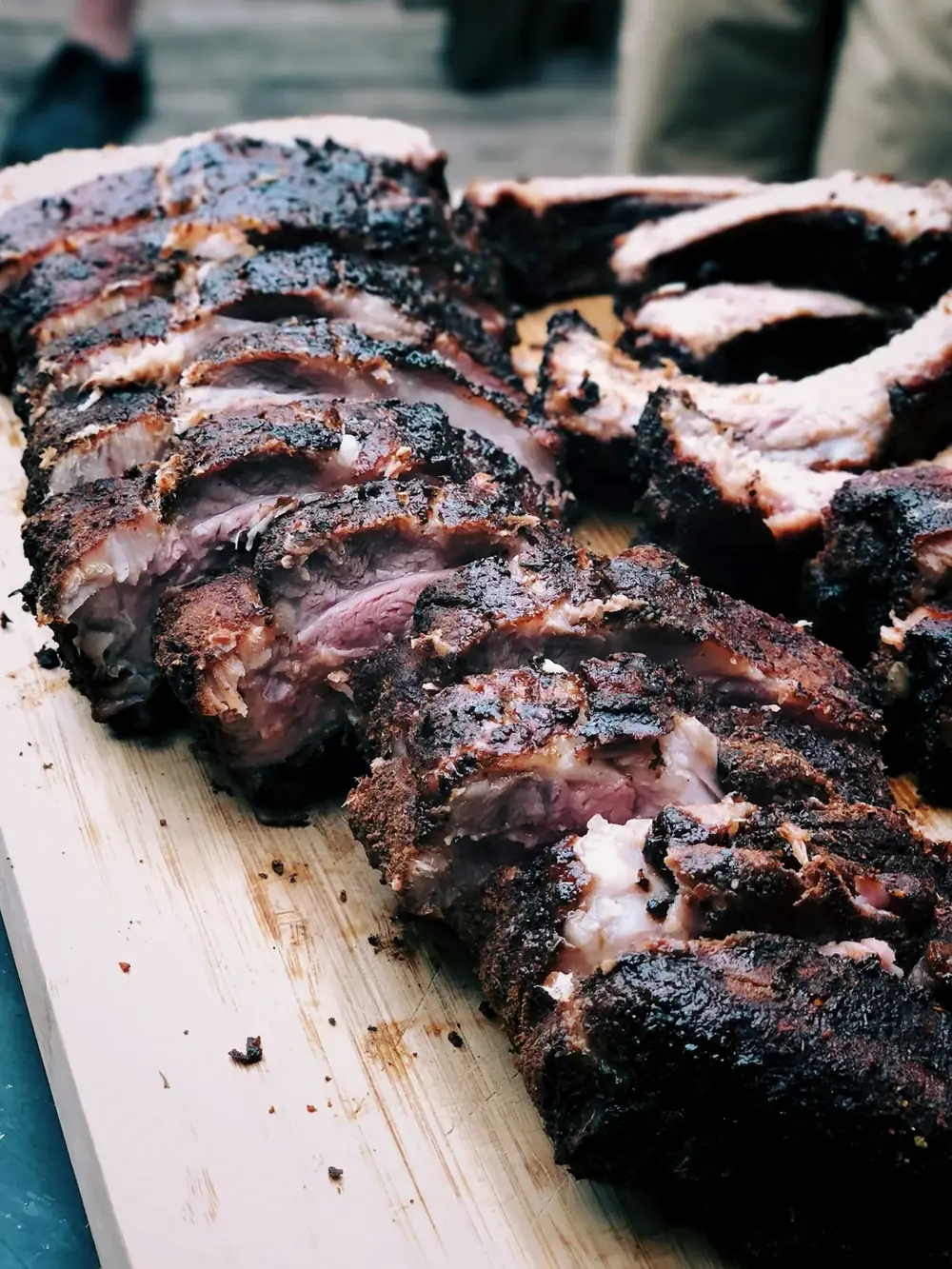
People ask me all the time which Kansas City businesses are fun to bank. The answer never changes: restaurants. Not because the food is great — though it is — but because no other industry packs so much romance and so much risk into the same square footage. Every beautiful dining room I've financed has a back-of-house story that would make a first-time investor weep.
Kansas City's food scene gets written about as culture, and it is. But underneath the burnt ends and the brisket, it's a small business sector with some of the toughest economics in America — and understanding those economics is how you become the kind of customer your favorite spot needs.
The margin nobody sees
Here's the uncomfortable math of a restaurant. After food costs, labor, rent, utilities, insurance, and debt service, a well-run independent restaurant keeps a few cents of every dollar. A full dining room is not the same as a profitable one. The numbers that make headlines — waitlists, awards, lines out the door — can sit on top of operations that are one slow month away from trouble.
I say this not to ruin your dinner, but because it explains so much: the menu prices, the "we're closed Mondays" signs, the pre-made specials. Owners are threading a needle every single week.
A restaurant's real signature isn't on the menu — it's the cash-flow discipline happening in the office behind the walk-in.
Why KC food businesses still do it
So why open a restaurant in Kansas City at all? Because this metro is unusually kind to food entrepreneurs, in ways that map directly onto the metro's small business advantages:
- Affordable space. Compared to coastal food cities, KC lease rates give a first location a fighting chance — especially in up-and-coming neighborhoods where a new spot can anchor a block.
- A crowd that shows up. KC diners are famously loyal to local joints. Support here isn't a hashtag; it's a Tuesday-night reservation.
- Culinary identity with range. BBQ is the anchor, sure, but the metro's real strength is that one city can hold world-class barbecue, Mexican kitchens, Nigerian pop-ups, and fine dining without any of them starving.
What a food entrepreneur actually needs to survive
I've watched KC restaurants make it and watched others close, and the survivors share patterns. If you're approaching a bank for that first equipment loan — or if you're just a regular who wants your spot to make it — these are the things that matter:
- A boring, accurate cash-flow forecast. The sexy vision sells the tables; the spreadsheet keeps the lights on. Seasonal dips in KC winters are real and predictable.
- The right-sized loan. The biggest favor a lender can do is decline the loan you can't carry. A surviving owner needs runway, not just build-out cash. That's the community bank judgment call in its purest form.
- A website that sells like the room does. Hours, current menu, photos of real plates, tap-to-call on mobile. Plenty of KC spots lose Thursday's crowd to a stale Facebook page nobody curated. A professional website with local SEO built in quietly fills tables.
- Relationships with suppliers. The owners who last know their rep at the produce house by name and get the call when quality stock lands.
How to be the customer your favorite place needs
None of this requires you to become an investor. Mostly it requires small habits:
- Eat out on the slow nights. Tuesday beats Saturday for the business's health, and often for yours.
- Buy the gift cards at the holidays. It's an interest-free loan to your favorite kitchen, and everyone on your list wins.
- Leave the review. For restaurants, reviews are oxygen — they compound with local search visibility.
- Order the special. Specials exist to move inventory and protect margin. You're helping, and it's usually the best dish anyway.
The last course
Kansas City's food scene is a national treasure, but it's built by small businesses operating on margins so thin you could read a love letter through them. The next time you're standing in line for brisket, remember what you're really looking at: an entrepreneur who bet everything on a recipe, a neighborhood, and a city that hasn't let them down yet.
That's a Kansas City story worth savoring — and worth supporting, one Tuesday dinner at a time.
Charlie Koch
President of Bank Midwest
Kansas City banker writing about community banking, small business growth, and the neighborhoods building this metro's economy — in plain language, always.